
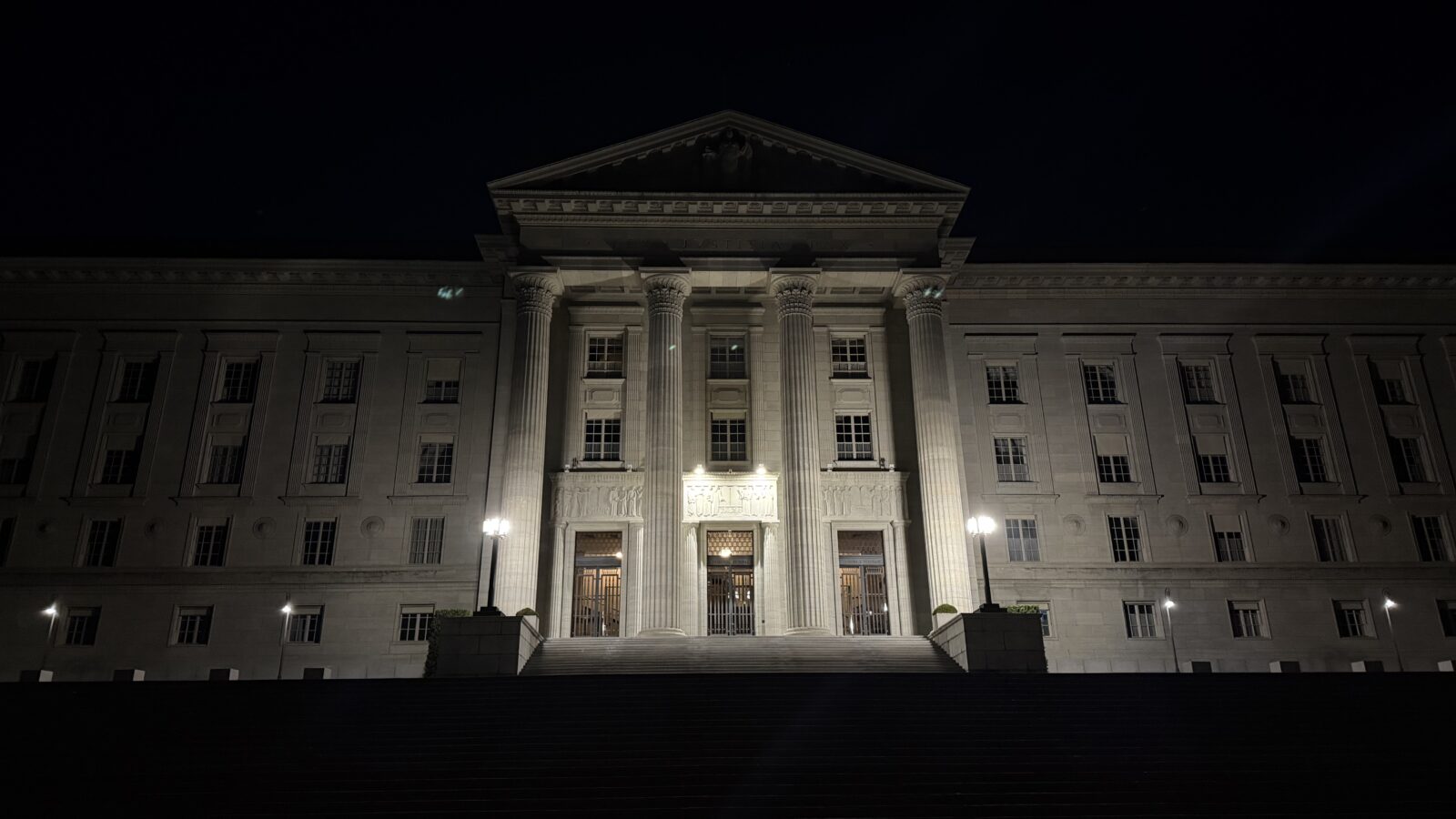
Swiss Federal Supreme Court Judgment of 8 October 2025, A. v. RUSADA, ISU & WADA
Request for revision of the CAS Award CAS 2023/A/9451, CAS 2023/A/9455 and CAS 2023/A/9456 of 29 January 2024
This decision concerns the Russian figure skater Kamila Valieva’s (the Athlete) request for revision of the CAS award issued on 29 January 2024 in the widely publicised doping case involving prohibited substance trimetazidine (see also my earlier notes on the CAS Ad Hoc Decision on her provisional suspension). The subsequent CAS award had imposed a four-year period of ineligibility starting 25 December 2021 and disqualified all results thereafter. The Athlete had already challenged the award before the SFT, but her motion to annul the decision was rejected on 5 September 2024 (see my note on the SFT judgment 4A_136/2024 here). The Athlete then sought to reopen the proceedings, relying on an allegedly undisclosed expert report by Professor B., which she claimed supported her contamination explanation and had been deliberately withheld by RUSADA and WADA during the CAS proceedings. The revision request was filed on 10 December 2024.
The revision proceedings were procedurally complex, marked by late filings and disputes over admissibility – particularly RUSADA’s failure to comply with Swiss procedural rules on notifications abroad, leading to its submissions being declared inadmissible. The SFT emphasised that revision under Art. 190a PILA is exceptional and strictly limited to situations where a party discovers pre-existing facts or evidence, not previously accessible despite due diligence, and which would be conclusive for the outcome. WADA and the ISU contested the admissibility and relevance of the alleged “new evidence”, and WADA produced a September 2022 document from Prof. B. (the only version it claims to have received), arguing that the report was not favourable and certainly not outcome-determinative.
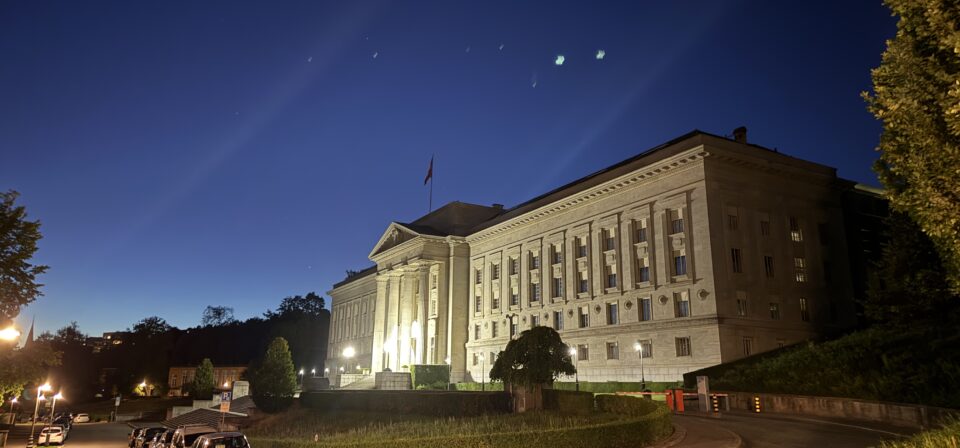
The SFT held that the revision request was inadmissible or unfounded for multiple independent reasons. First, the alleged “new evidence” was not produced and its existence was based primarily on a media article from September 2024, which cannot constitute a pre-existing fact under Art. 190a para. 1 (a) PILA. Even assuming the 19 September 2022 document constituted the report in question, it was not conclusive: it merely stated that contamination was “theoretically possible”, but still considered iintentional ingestion the most plausible scenario, and this was fully consistent with CAS’s own findings. The CAS panel had rejected the contamination explanation not on scientific grounds but due to insufficient factual proof by the athlete. The SFT further found no substantiation of alleged procedural fraud by WADA or RUSADA from the non-production of a private expert report : the non-production of a private expert report that was not a part of the investigation file.
The SFT dismissed the request, reaffirming the strict and exceptional nature of revision in international arbitration (“une arme à manier avec prudence”) and its role in preserving legal certainty: revision cannot serve as a disguised appeal nor provide a second opportunity to litigate issues already assessed by CAS. Most importantly, the alleged report – even if it existed – would not have altered the outcome, as the CAS award focused on factual deficiencies in the athlete’s contamination scenario.